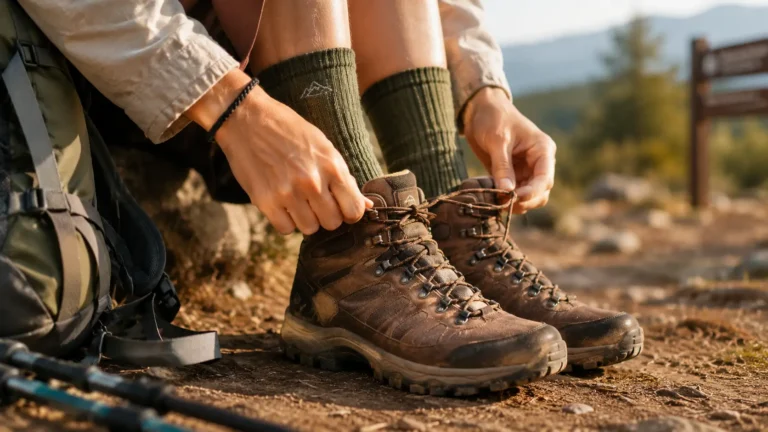
When I bought my first pair of hiking boots, I went to the outdoor shop, stared at two walls of footwear for twenty minutes, and then bought the ones that looked most serious. They gave me blisters for the first three hikes.
The boots weren’t wrong. I just didn’t know what I was buying or why. Nobody had explained the actual difference between hiking boots and trail runners — when one is better than the other, what each type is designed to do, or why the “most serious looking” option is almost never the right call for a beginner.
This guide covers everything. By the end you’ll know exactly which type of hiking footwear is right for you, your trail and your budget.
The Short Answer
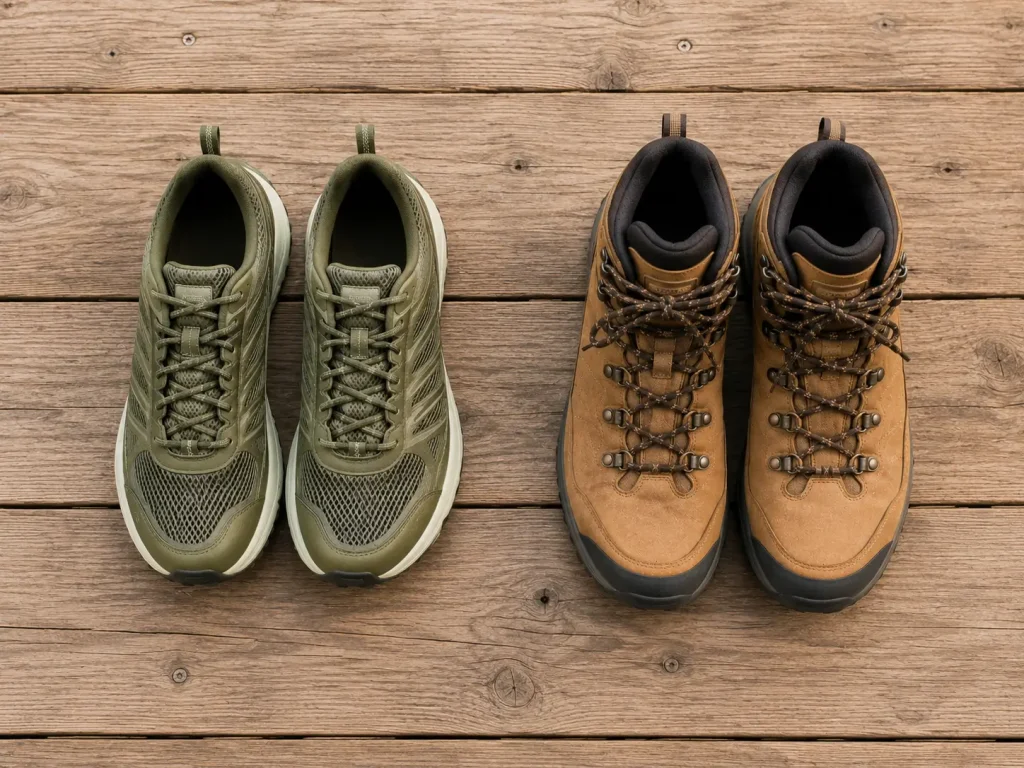
For most beginner women on maintained day hiking trails: start with trail runners.
Trail runners are lighter, more comfortable from the first wear, dry faster and work well on the vast majority of day hike terrain. They don’t require breaking in and cost less than comparable hiking boots.
Hiking boots earn their place on rough, rocky or very wet terrain, for hikers carrying heavier packs, or for anyone with ankle instability. The rest of this article explains when each is the right choice.
What Are Trail Runners?
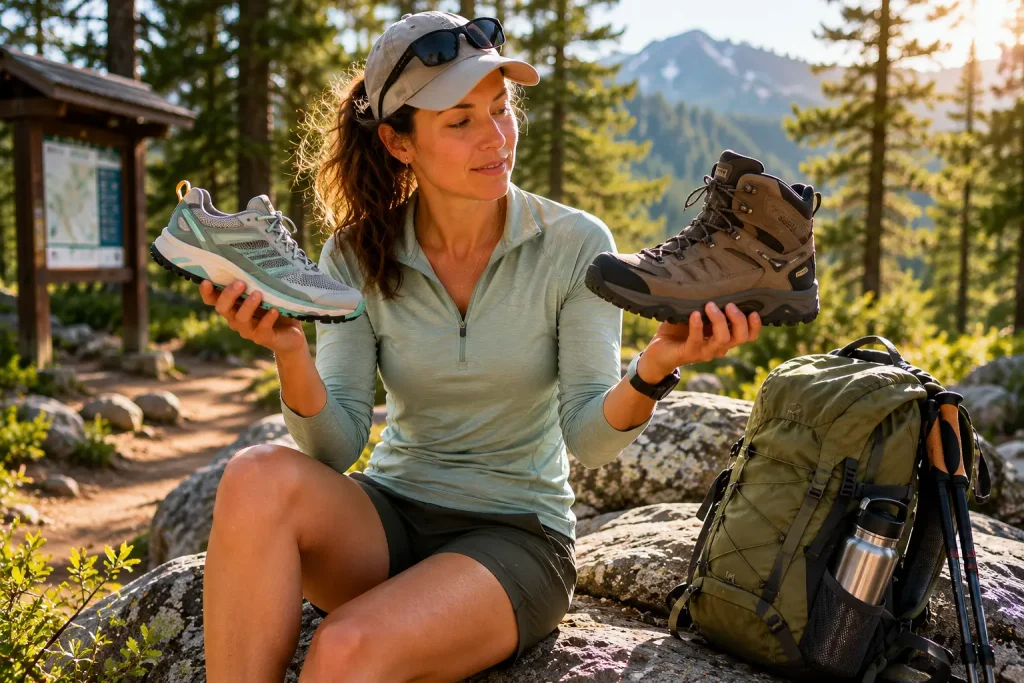
Trail runners are running shoes designed for off-road use. They have a grippy lug sole, reinforced toe cap, and a low-cut design that sits below the ankle. Breathable, lightweight and flexible.
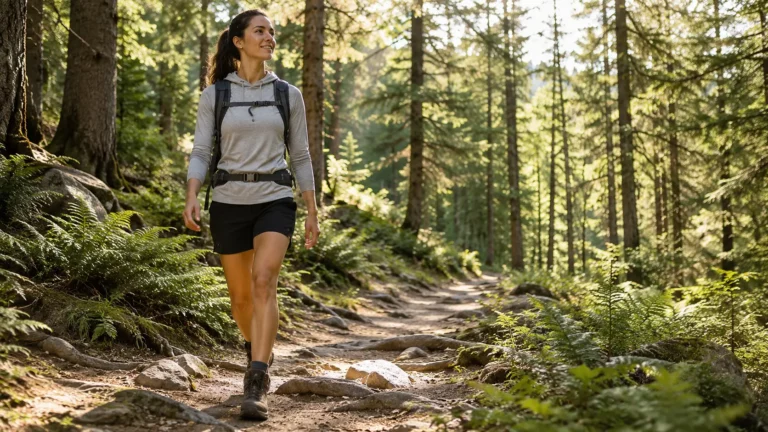
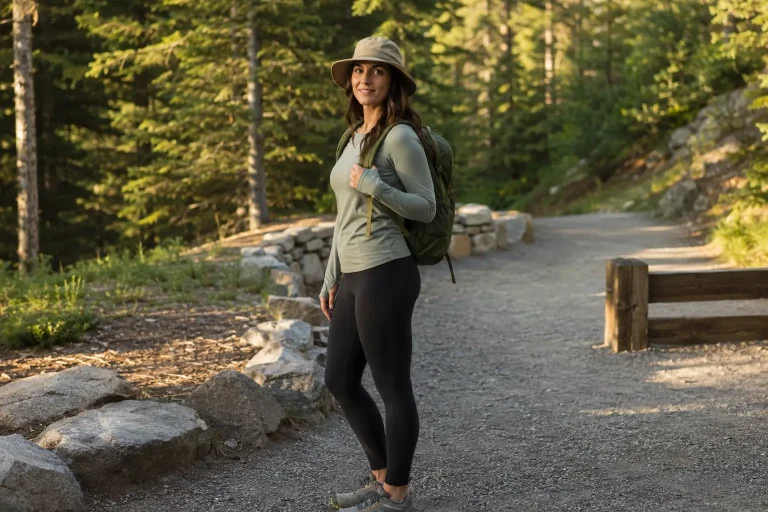
Despite the name, most hikers who use them aren’t running. Trail runners have become the default footwear for day hiking on maintained trails because they offer the grip of hiking footwear with the comfort of a running shoe.
Trail Runner Pros
- Comfortable from the first wear — no break-in required
- Significantly lighter than hiking boots
- Breathe better in warm weather
- Dry faster when wet
- Usually cheaper than equivalent hiking boots
- More versatile — can be worn for other activities
Trail Runner Cons
- Less ankle support than boots
- Usually not waterproof (though waterproof versions exist)
- Less protection on very rocky or technical terrain
- Wear out faster than boots under heavy use
What Are Hiking Boots?
Hiking boots are purpose-built footwear for carrying loads over varied terrain. They come in low-cut, mid-cut (ankle height), and high-cut (above the ankle). The mid and high cut versions offer significant ankle support, waterproofing and protection.
Hiking Boot Pros
- Superior ankle support and stability
- Better protection on rocky, rough or technical terrain
- Usually waterproof (Gore-Tex or equivalent)
- More durable under heavy use
- Better for carrying heavier packs
Not sure which hiking boots to buy as a beginner? The full guide to the best hiking boots for women beginners covers everything.
Hiking Boot Cons
- Heavier than trail runners
- Require breaking in before long hikes
- Less breathable — feet run hotter
- Slower to dry when wet inside
- Usually more expensive
Side-by-Side Comparison
| Feature | Hiking Boots | Trail Runners | Winner |
| Weight | Heavier (400–800g each) | Lighter (200–400g each) | Trail Runners |
| Ankle Support | High (mid/high cut) | Low (below ankle) | Boots |
| Break-in Time | 5–10 wears minimum | None — ready day one | Trail Runners |
| Waterproofing | Usually waterproof | Usually not (options exist) | Boots |
| Breathability | Lower — runs hot | Higher — stays cool | Trail Runners |
| Drying Time | Slow (days if soaked) | Fast (hours) | Trail Runners |
| Rocky Terrain | Excellent protection | Adequate on moderate terrain | Boots |
| Day Hiking | Good | Excellent | Trail Runners |
| Heavy Pack/Multi-day | Excellent | Adequate only | Boots |
| Price | Higher (£100–200+) | Lower (£70–150) | Trail Runners |
| Versatility | Hiking only | Hiking + everyday use | Trail Runners |
Women-Specific Footwear: Does It Matter?
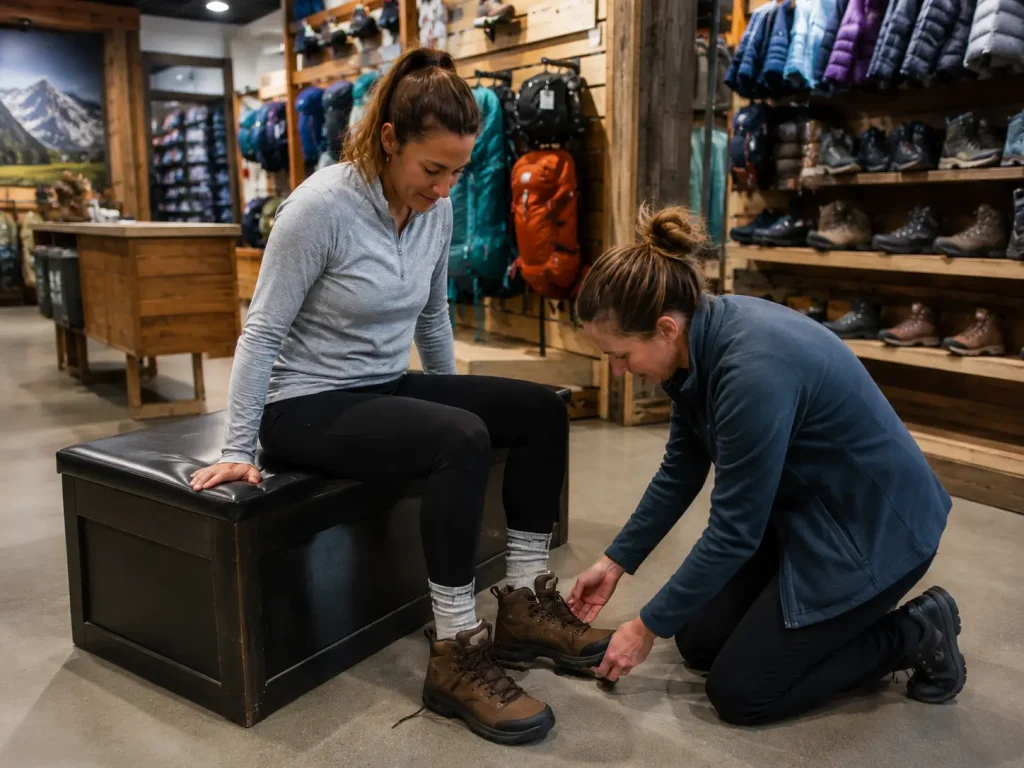
Yes — and more than most people realise. Women’s hiking footwear is designed for a different foot shape: typically narrower heel, wider forefoot, lower volume overall. It’s not just a smaller version of a men’s shoe.
The fit differences matter most in the heel. Poorly fitting heels cause slippage which leads to blisters on the back of the ankle. Always try before you buy, wear your hiking socks, and check that your toes don’t touch the front on a downhill incline.
Which Is Right for You?
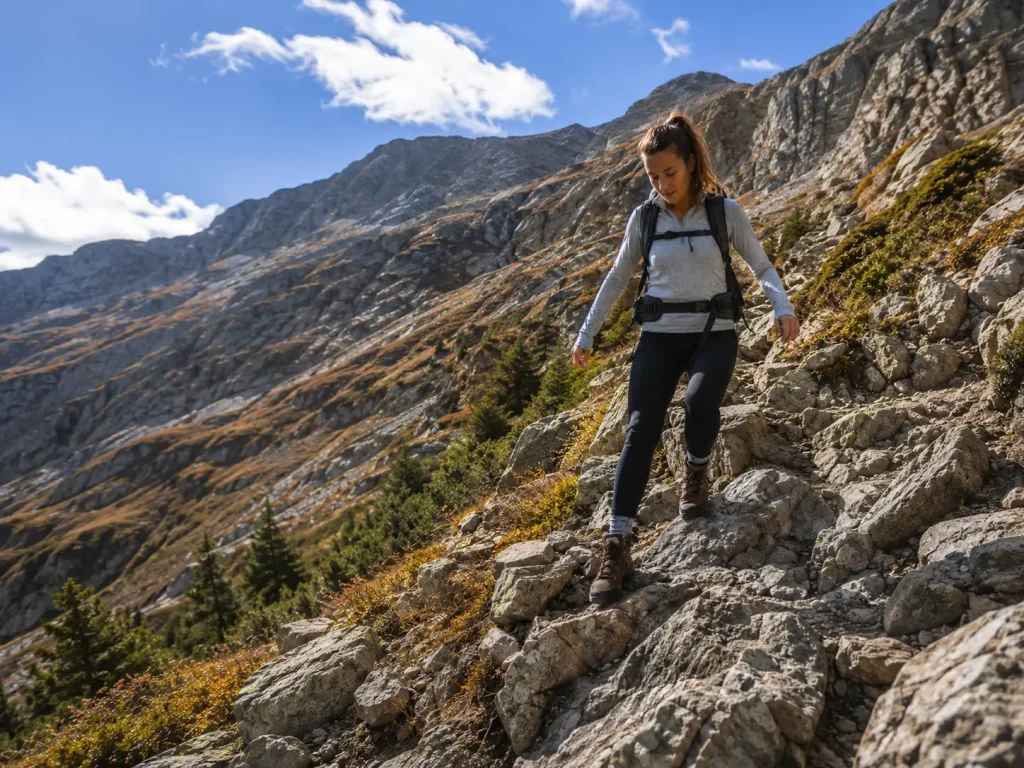
Choose Trail Runners If:
If you’re just getting started with hiking, our complete beginner hiking gear guide for women covers everything else you need beyond footwear.
- You’re a beginner on well-maintained day hiking trails
- You hike mostly in dry or mixed conditions
- You want to be comfortable from the first hike
- You run warm and want breathable footwear
- You’re on a tighter budget
Choose Hiking Boots If:
- You hike on rough, rocky or very uneven terrain
- You frequently hike in wet or muddy conditions
- You have weak ankles or a history of ankle sprains
- You carry a heavier pack or plan multi-day hikes
- You hike in cold or winter conditions
The Break-In Rule — Non-Negotiable for Boots
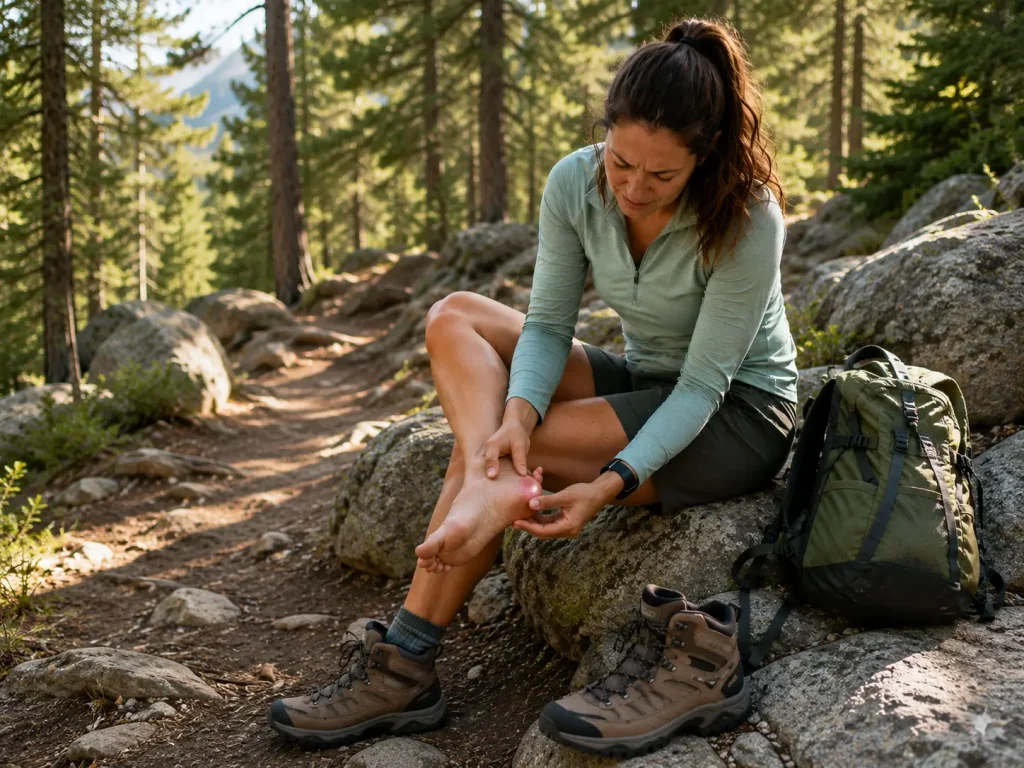
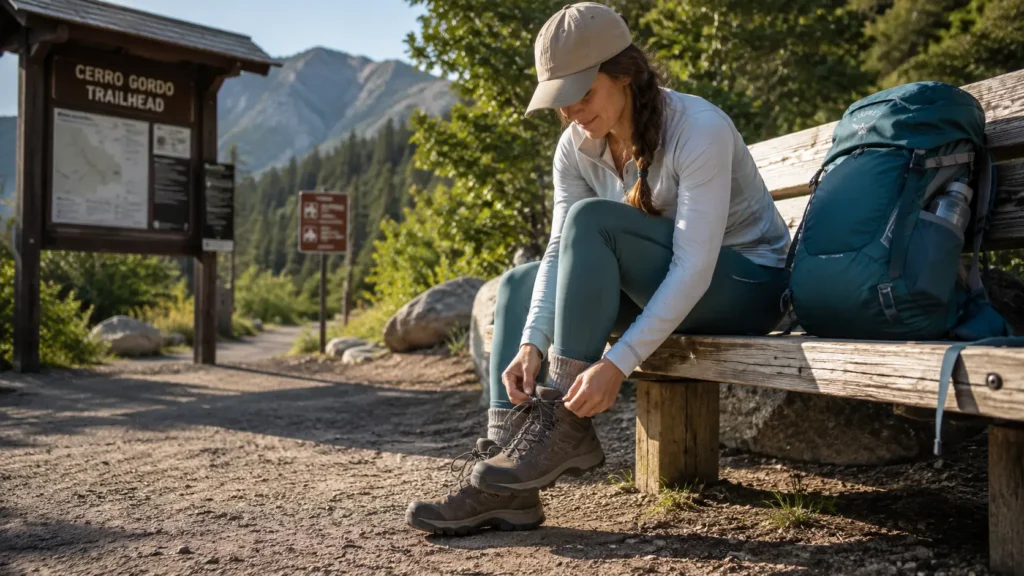
New hiking boots on a long trail is one of the most common and avoidable hiking mistakes. Break them in first: wear around the house, on errands, on short easy walks. Do a short trail (under 5km) before any longer hike. Always wear your hiking socks.
Trail runners need no break-in. Wear them straight out of the box.
Socks Matter As Much As the Shoe
Cotton socks cause blisters. Always wear merino wool or synthetic hiking socks. For a full breakdown of hiking socks and everything else in your pack, our day hiking packing list for women covers every item in detail. Darn Tough and Smartwool are consistently recommended. Crew height for boots, ankle cut for trail runners.
Budget Guide
Trail Runners
£70–90 — entry level. Good for beginner day hiking. Brands: Merrell, New Balance Trail.
£90–130 — mid-range. Better grip, more durable. Brands: Salomon, Hoka, Brooks Cascadia.
Hiking Boots
£80–110 — entry level. Adequate for moderate terrain. Brands: Merrell Moab, Keen Targhee.
£110–160 — mid-range. Gore-Tex waterproofing, good support. Brands: Salomon X Ultra, Keen Targhee Mid.
FAQs
For most beginner women on maintained day hiking trails, trail runners are more than enough. Hiking boots are worth it if you hike on rough terrain, carry heavy packs, have weak ankles, or hike in wet conditions regularly.
Not necessarily. Trail runners are often better for beginners because they require no break-in, are lighter and more comfortable from day one. Boots become the better choice when terrain or conditions genuinely require their extra support.
For very short, flat, dry trails — yes. For anything longer, hillier or wetter, regular trainers have insufficient grip and no ankle support. Purpose-built trail runners make a significant difference on real hiking terrain.
If you hike in wet, muddy or cold conditions regularly — yes. In dry summer conditions, non-waterproof options breathe better and keep your feet cooler. Waterproofing traps heat inside as well as keeping water out.
Final Thoughts
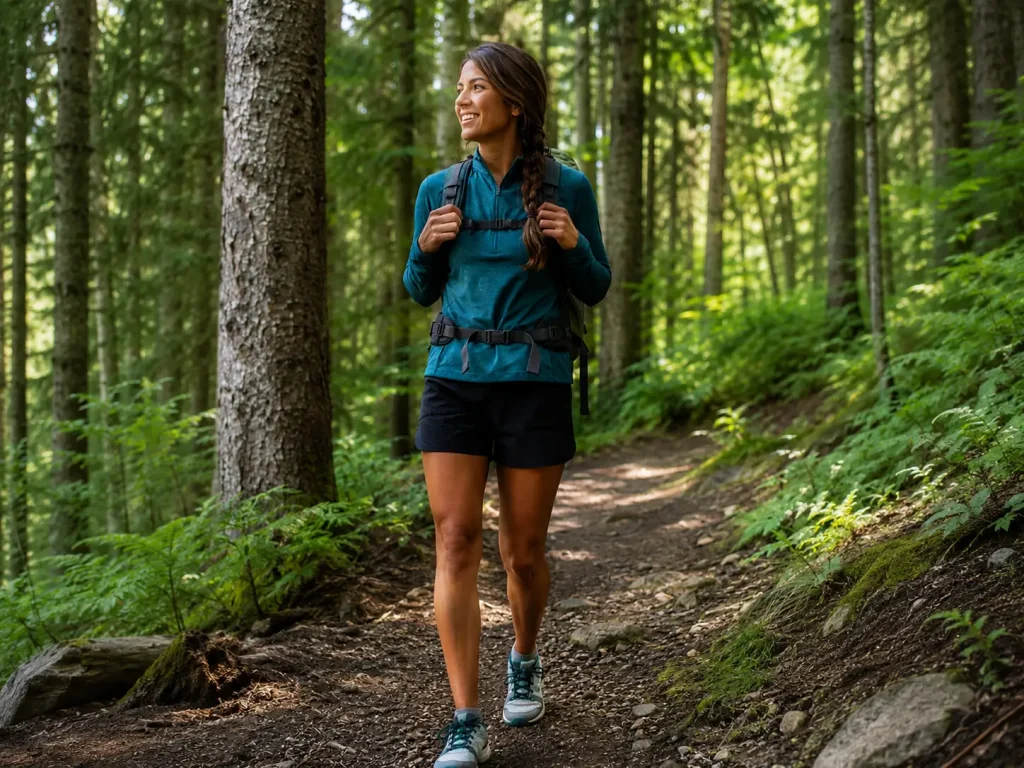
The hiking footwear debate doesn’t have one right answer — it has a right answer for your specific situation. Most beginner women on day hikes will be better served by trail runners. As your hiking gets more technical or remote, boots earn their place. Once your footwear is sorted, our beginner hiking tips for women covers every other practical step you need before your first hike.
Whatever you choose: buy women’s specific where possible, try before you buy, wear the right socks, and never take new boots on a long hike without breaking them in first.

Intermediate hiker sharing real trail experience — honest gear picks, beginner-friendly guides, no filler.