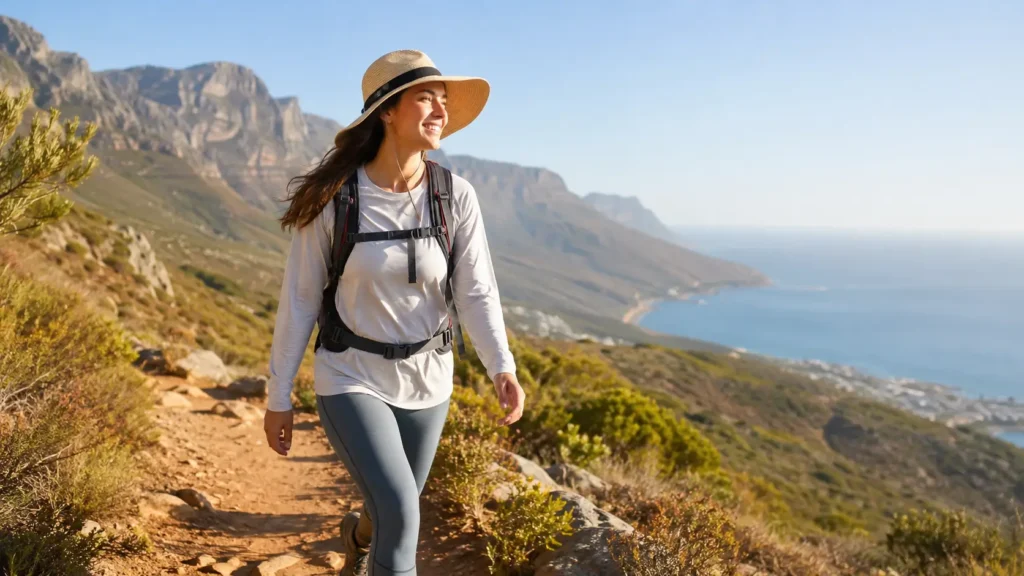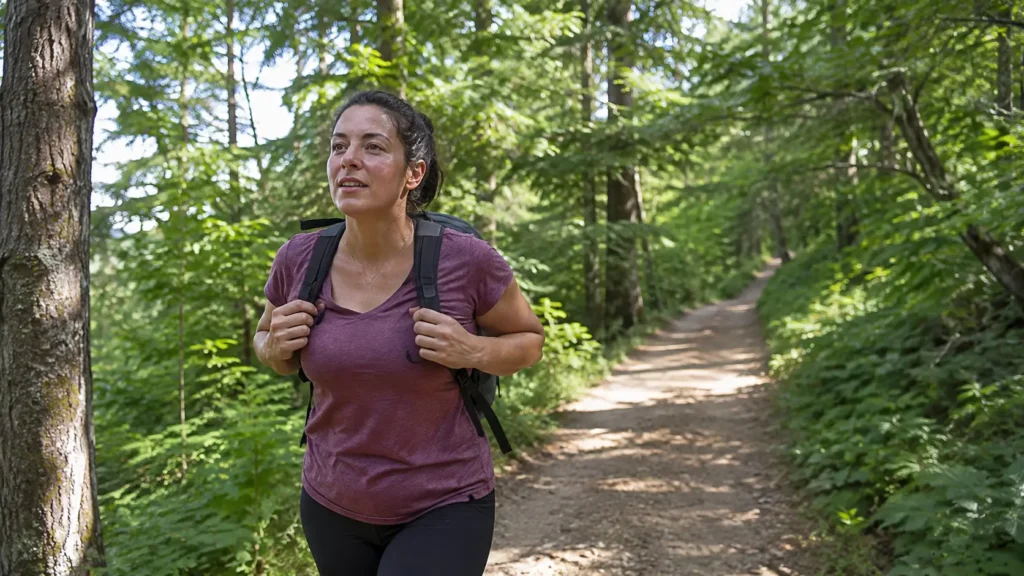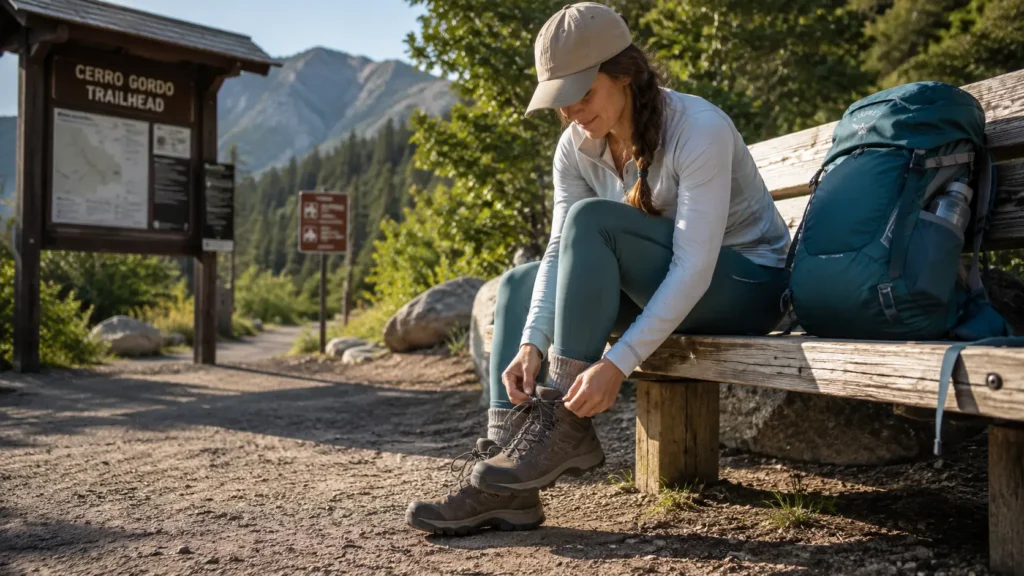
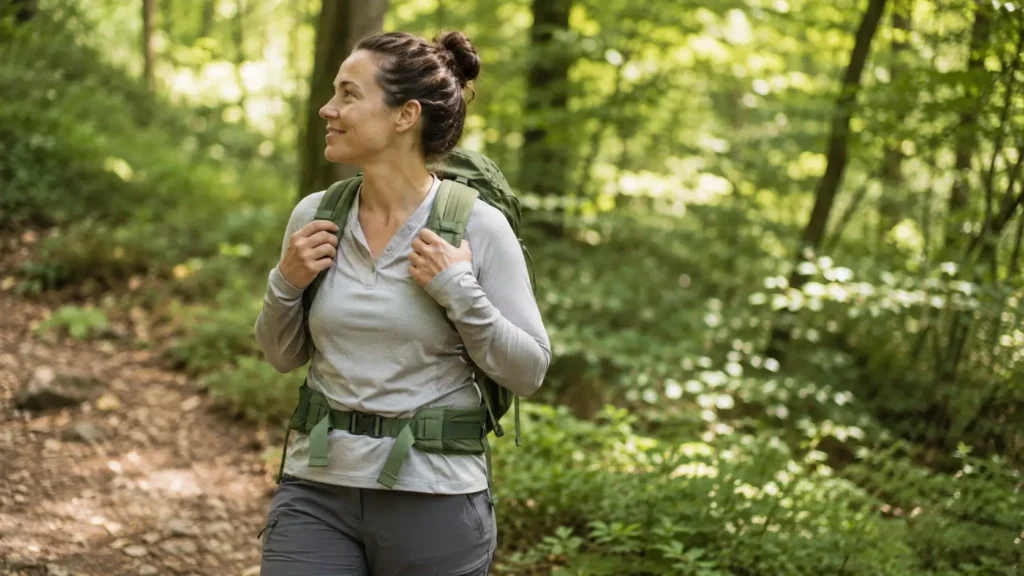
Finding the best hiking daypack for women beginners is harder than it should be. I spent an afternoon on REI’s website, opened about fourteen tabs, and closed them all without buying anything. Too many options. Too much jargon. Too little guidance on what actually matters when you’re just starting out.
Here’s what I wish someone had told me: most beginner women need the same thing. A pack in the 20–25L range, designed for a shorter torso, with a hip belt that actually transfers weight off your shoulders. That’s the core of it. Everything else is just detail.
This guide explains what to look for, why women-specific packs are worth considering, what size is right for different hike lengths, and which packs I’d actually recommend. No gear-review jargon. No sponsored favourites.
Do you even need a proper hiking daypack?
Probably, yes. If you’re planning to carry the essentials — water, snacks, a rain jacket, first aid kit, navigation — for a hike of two hours or more, a proper daypack makes a real difference.
The biggest reason is the hip belt. A hiking daypack with a padded hip belt transfers weight from your shoulders down to your hips, where your body handles it much more efficiently. After two or three hours on the trail, that distinction matters a lot. Your shoulders will tell you.
Your regular backpack will technically work for easy short hikes. But it’s not built for this, and you’ll feel it.
Women-specific daypacks: worth it or just marketing?
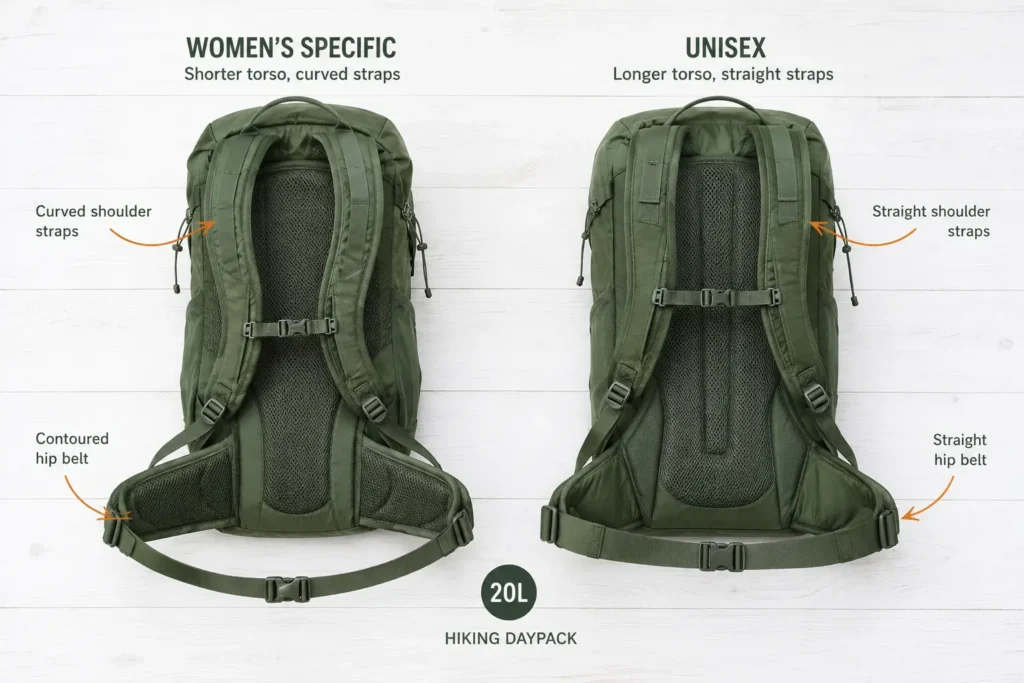
This is a fair question. The honest answer is: often worth it, especially if you have a shorter torso or narrower shoulders.
Women-specific hiking daypacks are re-cut for a shorter torso length, narrower and more curved shoulder straps, and a hip belt shaped to fit wider hips. On a unisex pack, the hip belt often hits too high on the waist instead of sitting on the iliac crest — which means the weight isn’t actually transferring properly, even if everything feels secure.
The fix is simple: try the pack loaded if you can. If you can’t (buying online), check the torso length range and compare it to your own. Measure from the bony bump at the base of your neck (C7 vertebra) down to the top of your hip bones. Most women’s daypacks target a torso length of roughly 14–18 inches.
If you’re between 5’2″ and 5’7″, a women’s-specific pack will almost always fit better than a unisex version. If you’re taller, it’s worth trying both.
What size daypack do you need?
This is the question most beginner hikers get wrong — usually by going too big. A bigger pack doesn’t mean more comfort. It means more temptation to overpack, more weight, and often a worse fit.
Here’s a straightforward size guide:
| Pack Size | Best For | Notes |
| 10–15L | Short hikes under 2 hours, minimal gear | Fine for quick trails but no room for layers or lunch |
| 15–20L | Half-day hikes, warm weather | Good entry option — fits essentials without bulk |
| 20–25L | Full day hikes, most beginner use | Sweet spot for beginners — fits everything you need |
| 25–30L | Long days, cold weather, camera gear | Worth it if you consistently carry more |
| 30L+ | Overkill for most day hikes | You’ll overpack. Save this size for overnight trips |
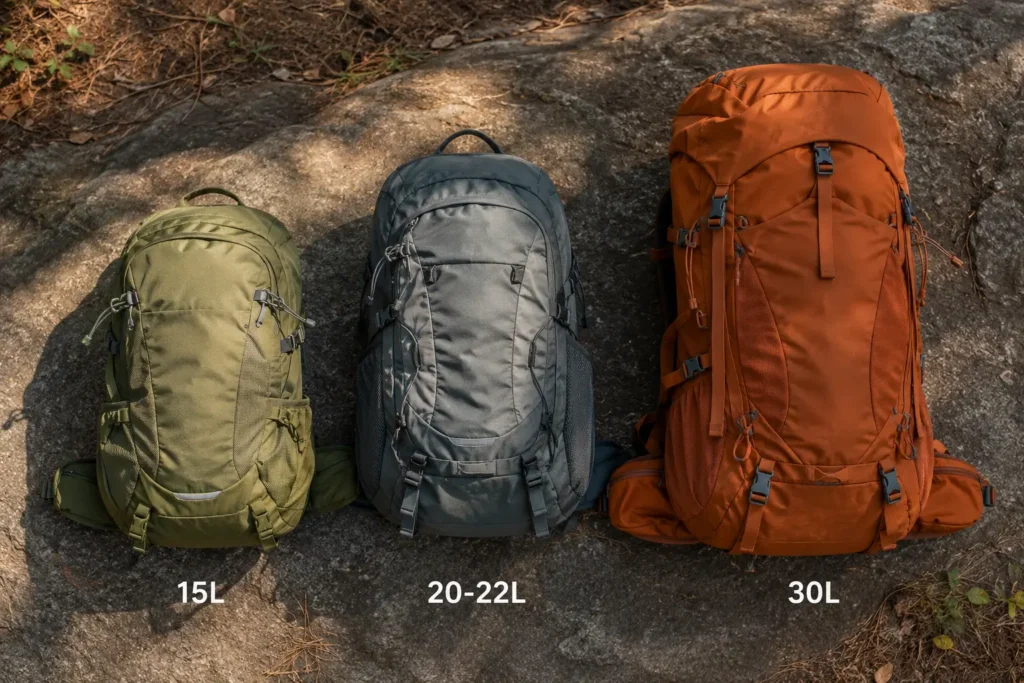
For most beginner women doing day hikes on established trails, a 20–25L pack is the right starting point. It fits everything on a standard packing list — water, food, layers, first aid, navigation — without tempting you to add things you don’t need.
Key features to look for
Hip belt
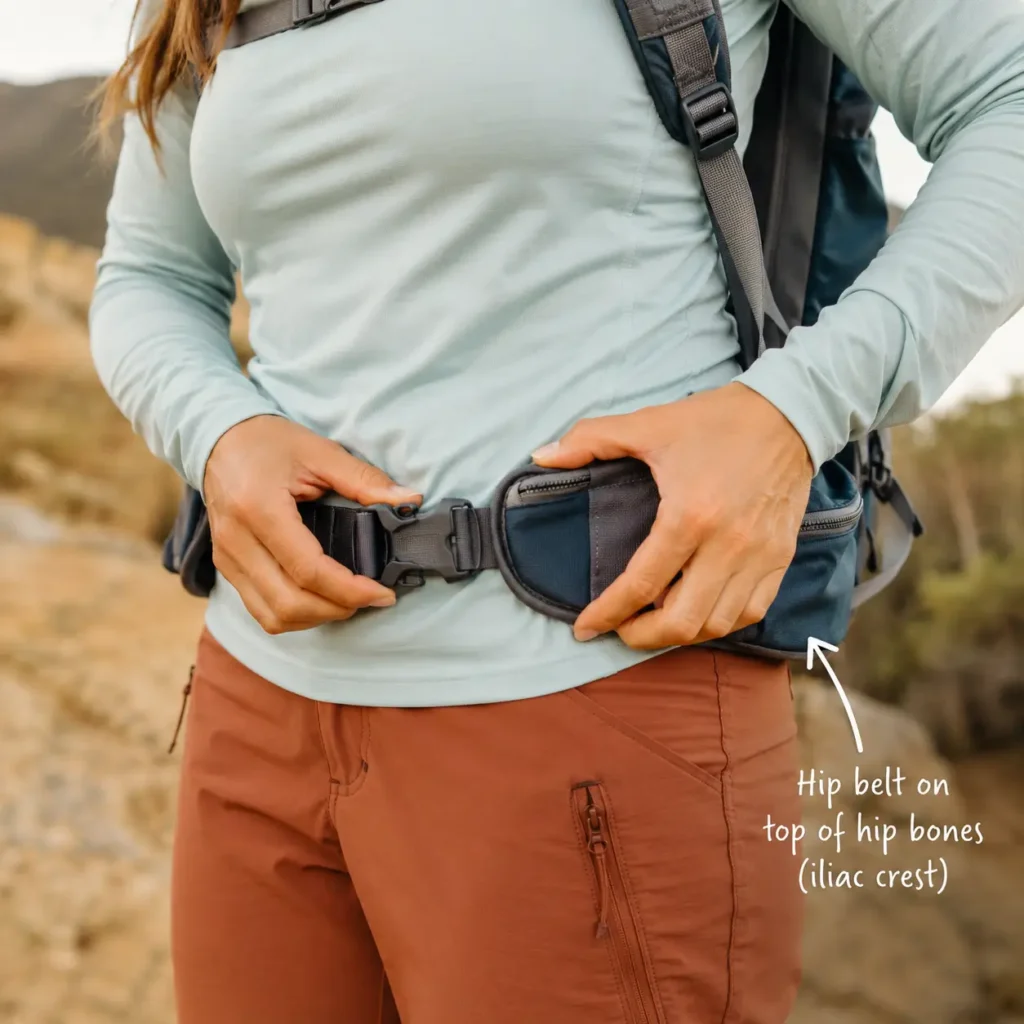
The most important feature on a daypack. Not the size, not the brand — the hip belt. It should sit on your hip bones, not your waist, and feel snug without digging in. If a pack doesn’t have a padded hip belt, skip it for anything over two hours.
Back panel ventilation
A mesh back panel creates airflow between the pack and your back. On warm days or longer hikes, this is the difference between a damp, uncomfortable hike and a much more pleasant one. Osprey’s AirSpeed and Deuter’s Aircomfort systems both do this well.
Hydration compatibility
Most decent hiking daypacks have a sleeve for a hydration reservoir (a water bladder with a drinking tube). You don’t have to use one, but it’s a useful option, especially on longer or hotter hikes. Make sure the pack has a sleeve and a port for the tube.
Trekking pole attachments
If you use or plan to use trekking poles, check for attachment loops or bungee cords on the pack’s exterior. Useful for storing poles when you don’t need them — on a scramble section, for example.
Pockets you can actually use
Side water bottle pockets you can reach without removing your pack. A hip belt pocket for your phone or snacks. A front pocket for things you need quickly. These sound like details but they matter on the trail.
Weight
A light daypack is a bonus, but don’t sacrifice fit and support to save a few hundred grams. For beginner day hikes with a full load, a pack between 700g–1.2kg is normal and fine.
What to avoid
- Packs without a proper hip belt — your shoulders will pay for it after hour two
- Going bigger than 25L for your first pack — you’ll overpack every time
- Cheap packs with thin shoulder straps — the padding matters more than you’d think
- Unisex packs without checking the torso length range — they may not fit your frame
- Fashion packs designed to look like hiking packs but with no actual support system
The Best Hiking Daypacks for Women Beginners: My Honest Picks
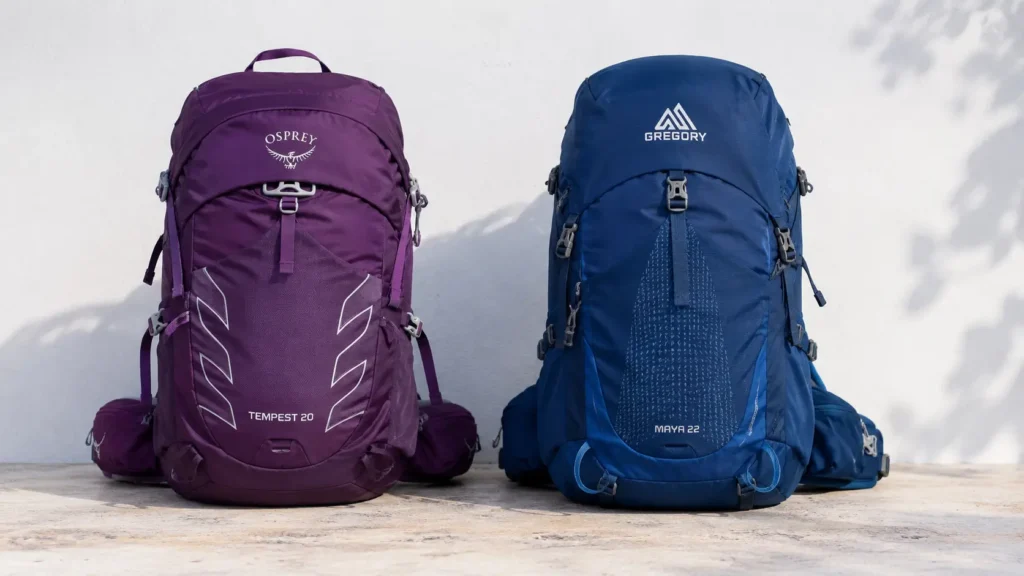
These are the packs I’d actually recommend based on what works for beginner women on day hikes. All have proper hip belts, women-specific fit options, and solid track records.
Best overall: Osprey Tempest 20 (Women’s)
The Osprey Tempest 20 is the standard recommendation for beginner women hikers, and it earns that reputation. It fits well, ventilates well, and has everything you need without anything you don’t. The AirScape back panel keeps your back cooler than most packs at this price, and the hip belt pockets are actually big enough to be useful.
Size: 20L | Weight: approx. 900g | Price: around $140–160
Best for: Most beginner women doing half-day to full-day hikes on established trails
Best budget pick: Gregory Maya 22 (Women’s)
Gregory’s Maya 22 is one of the most comfortable budget women’s daypacks available. The FitZone hip belt adjusts to fit different body shapes, and the pack comes in plus-size versions — something Osprey is still catching up on. The organisation is simple but solid.
Size: 22L | Weight: approx. 1kg | Price: around $90–110
Best for: Beginner women who want a well-fitted pack without spending over $100
Best lightweight option: Osprey Daylite Plus 20
If you want something lighter and more versatile — good for travel as well as hiking — the Daylite Plus is a solid choice. It’s not as technical as the Tempest, and the hip belt is simpler, but for shorter hikes and moderate loads it works well. It also attaches to several Osprey overnight packs if you want to expand later.
Size: 20L | Weight: approx. 600g | Price: around $90–100
Best for: Beginner women who want a lighter, multi-purpose pack for shorter hikes and travel
Best for petite women: Deuter Speed Lite 23 SL
The SL (Slim Line) in Deuter’s name means it’s designed for shorter torsos and narrower frames. If you’ve struggled with packs that sit too low or shoulder straps that don’t curve right, the Speed Lite SL is worth a look. It’s slightly more technical than the others, but fits petite women extremely well.
Size: 23L | Weight: approx. 700g | Price: around $120–140
Best for: Petite beginner women who find most packs don’t sit right on their frame
How to check if a pack fits before you buy
If you can try it in store, do this:
- Load the pack with some weight — books or water bottles, roughly 5kg
- Loosen all straps, then close the hip belt first — it should sit on your hip bones, not your waist
- Tighten the shoulder straps until they’re snug, not pulling
- Pull the load lifter straps (the small ones at the top of the shoulder straps) until the top of the pack angles slightly toward your back
- Check that the shoulder straps don’t gap away from your shoulders — if they do, the torso is too long
If you’re buying online, check the torso length range in the product specs and compare it to your own measurement. Most brands include a sizing guide.
What to carry in your daypack
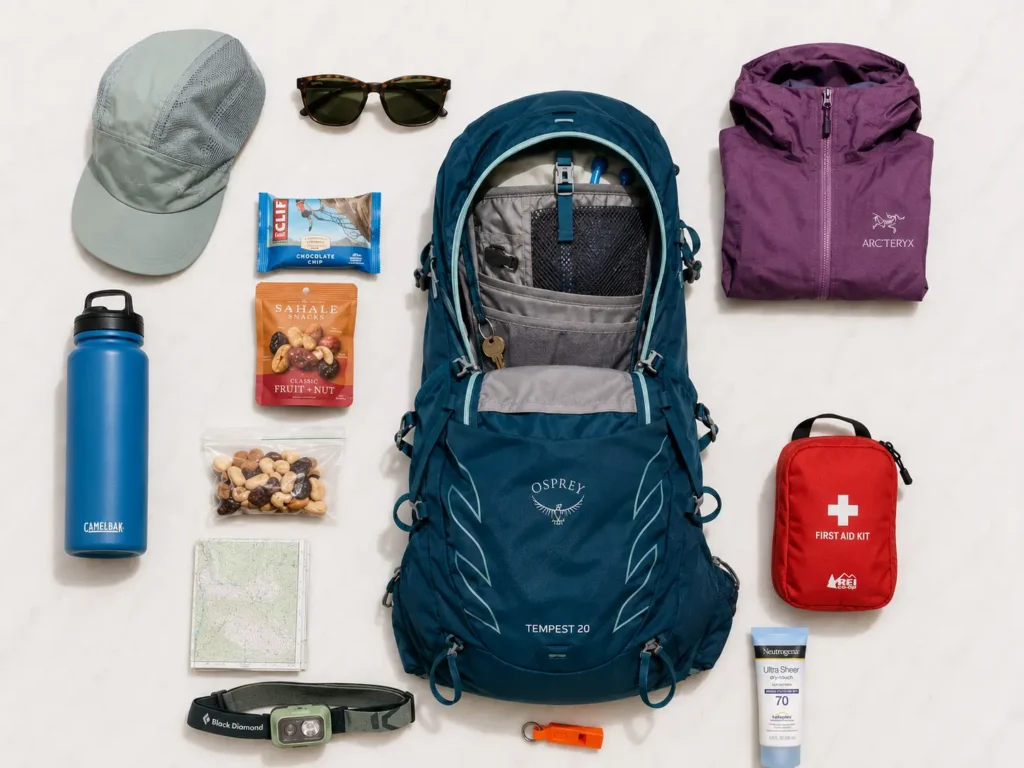
A 20–25L pack should comfortably fit:
- 1.5–2L of water (bottle or reservoir)
- Food and snacks for the duration of the hike
- Rain jacket or windproof layer
- First aid kit (compact)
- Navigation (phone downloaded offline, or paper map)
- Sun protection — sunscreen, hat, sunglasses
- Emergency essentials — whistle, headlamp, emergency blanket
- Any personal items — phone, wallet, car keys
For a complete breakdown of everything to pack for a day hike, the day hiking packing list for women covers every item in detail with a free printable checklist.
Final thoughts
The best hiking daypack for a beginner woman is the one that fits your body correctly, carries your essentials comfortably, and doesn’t cost more than it needs to. For most beginners, that means a 20–25L women’s-specific pack with a padded hip belt and a ventilated back panel.
The Osprey Tempest 20 is the pack I’d point most beginners toward. If the budget is tighter, the Gregory Maya 22 is excellent. And if fit has always been a struggle, try the Deuter Speed Lite SL before anything else.
Start with a pack that fits. Everything else you can figure out on the trail. For a complete look at every other piece of gear you need as a beginner woman, the full beginner hiking gear guide covers it all.
FAQs
A 20–25L daypack is the right starting point for most beginner women. It’s large enough to carry everything you need for a full day hike without tempting you to overpack. If you’re doing shorter hikes (under 2 hours, minimal gear), a 15–20L pack is fine.
Usually yes, especially if you have a shorter torso or narrower shoulders. Women’s-specific packs have a shorter torso fit and a hip belt shaped for wider hips. The result is that weight transfers properly — which makes a real difference over several hours on the trail.
For short, easy hikes, yes. But a regular backpack doesn’t have a structured hip belt, which means all the weight sits on your shoulders. After two or three hours, that becomes uncomfortable. A proper hiking daypack is worth the investment if you plan to hike regularly.
$90–160 gets you a quality beginner daypack with a proper fit system. Below $70, the hip belt padding and back panel construction tend to drop significantly. You don’t need to spend $200+ as a beginner — the Osprey Tempest and Gregory Maya are both in the $90–160 range and will last years.
Load it with weight, close the hip belt first (it should sit on your hip bones, not your waist), then tighten the shoulder straps until snug. The shoulder straps should curve around your shoulders without gapping. If you’re buying online, measure your torso length and compare it to the pack’s sizing chart.

Intermediate hiker sharing real trail experience — honest gear picks, beginner-friendly guides, no filler.