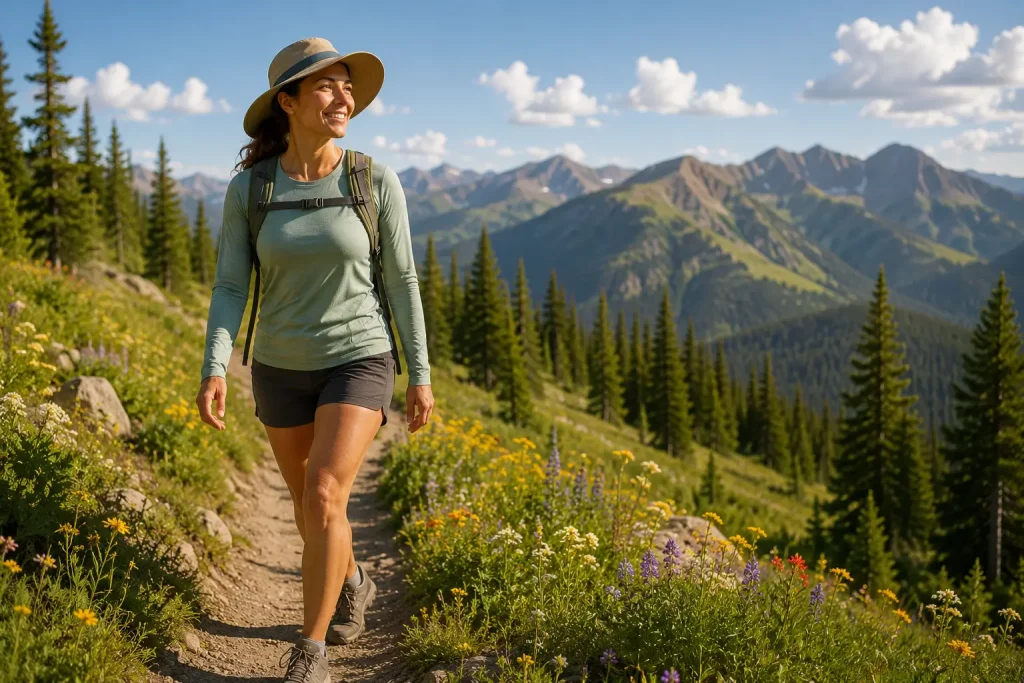
The first summer hike I did without thinking about the heat almost ended two hours in. I had all my usual gear, I’d done the trail before, and I thought I was ready. What I hadn’t accounted for was 28 degrees of direct sun on an exposed ridge, the speed at which I was draining my water bottle, and the fact that my standard hiking leggings were making everything significantly worse.
Summer hiking is genuinely brilliant — long daylight hours, wildflowers, warm evenings, trails that were muddy in spring finally dry and fast underfoot. But it requires a different approach to packing. Not a completely different kit — your base list stays largely the same — but some specific additions, some smart swaps, and a few things you can leave behind.
This guide covers exactly what changes in your hiking pack when temperatures rise. If you want the full base packing list, start with our complete day hiking packing list for women — this article builds on that foundation specifically for summer conditions.
The Summer Hiking Packing List: What’s Different
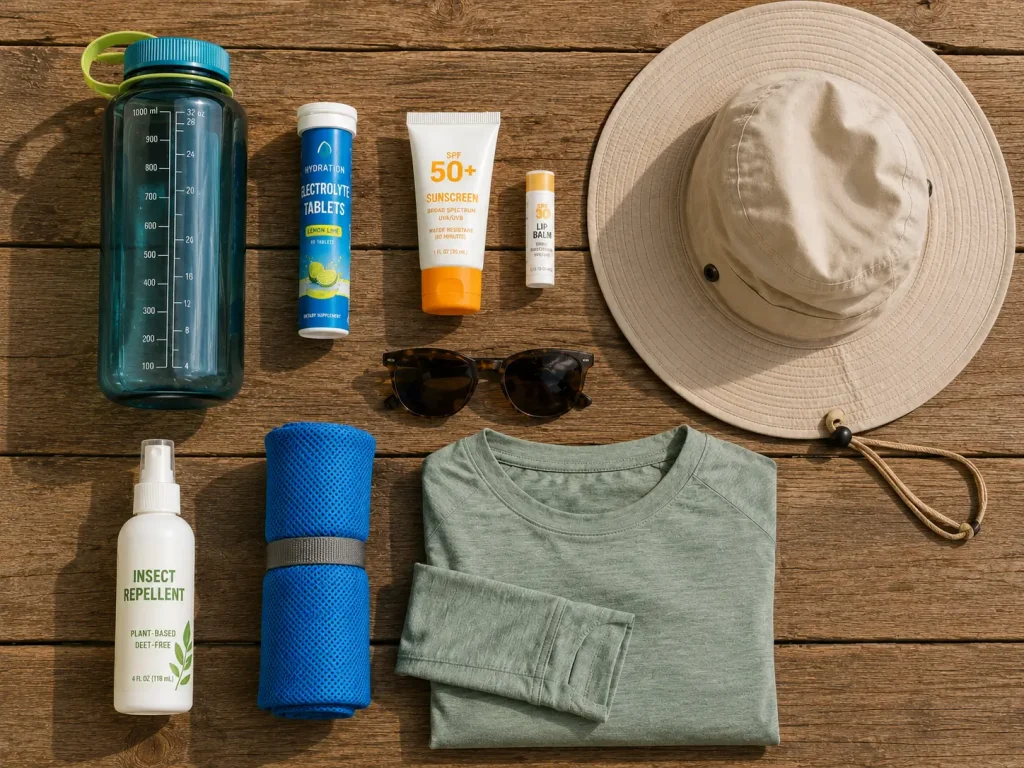
Here’s what changes from your standard hiking kit in summer. Everything else on your base list stays the same.
Add to Your Pack
- Extra water — minimum 3 litres for a 4-hour summer hike (up from 2 litres)
- Electrolyte tablets or powder (essential in heat, not optional)
- Sunscreen SPF 50+ (upgrade from SPF 30)
- SPF lip balm
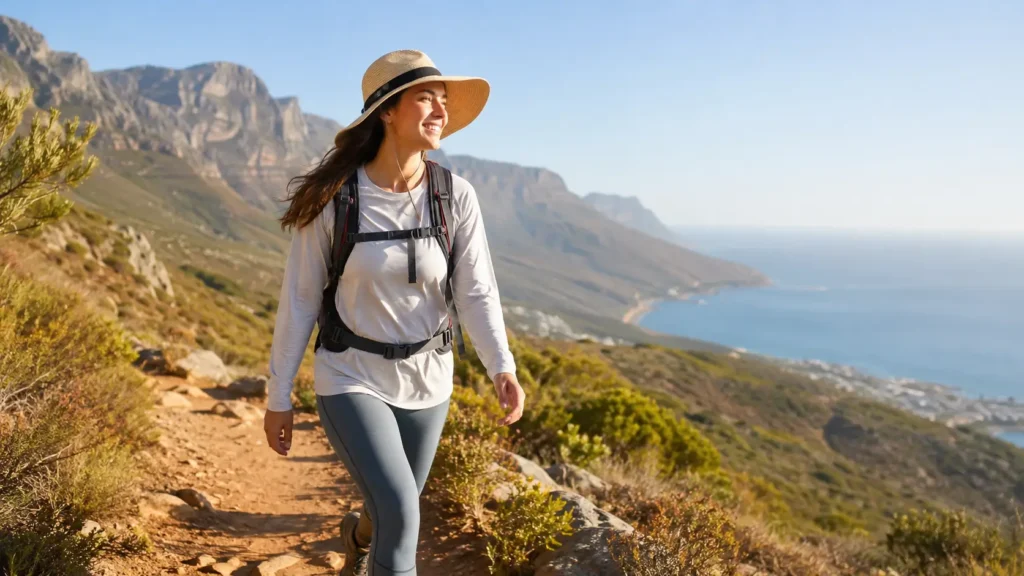
- Wide-brim sun hat (upgrade from a basic cap)
- Lightweight cooling towel
- Insect repellent
- After-sun or aloe gel (for longer or multi-day hikes)
Swap in Your Pack
- Heavy hiking leggings → lightweight moisture-wicking shorts or convertible trousers
- Thick merino base layer → lightweight UPF-rated short sleeve top
- Fleece mid layer → ultralight windshirt or packable layer (still carry one)
- Insulated flask → wide-mouth bottle for easy refilling at stream crossings
Still Bring (Even in Summer)
- Waterproof jacket (afternoon thunderstorms build fast in summer)
- Warm hat and thin gloves (summit temperatures can be 10°C colder)
- Emergency foil blanket (if you’re caught out after sunset it cools fast)
- Headlamp (longer days make this feel unnecessary — bring it anyway)
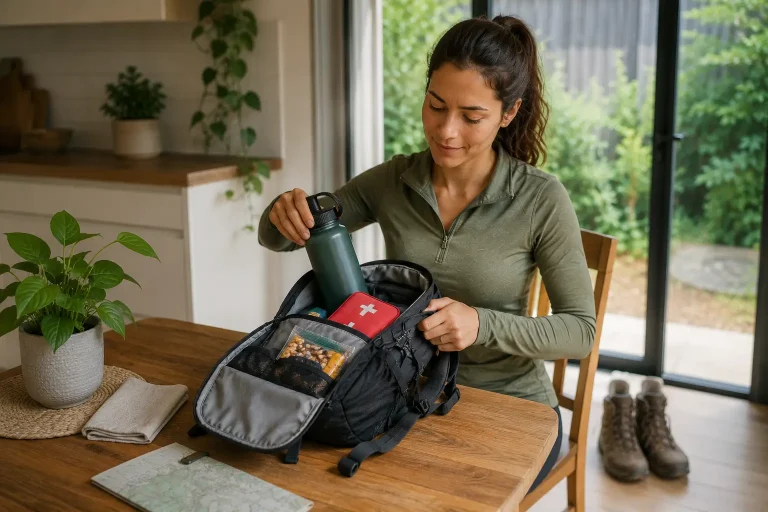
- First aid kit with blister plasters
Hydration in Summer: The Adjusted Rule
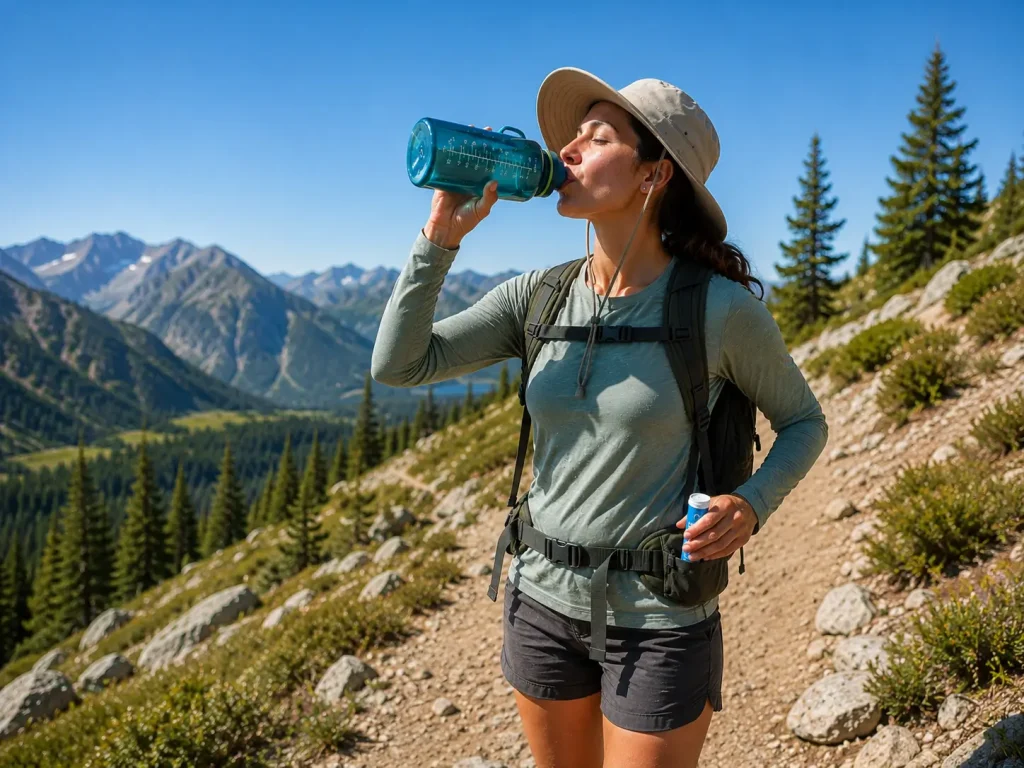
In cooler conditions, the standard rule is 500ml of water per hour of hiking. In summer, that goes up significantly. In direct sun above 25 degrees, aim for 750ml to 1 litre per hour. For a 4-hour summer hike, that’s 3–4 litres.
Most women underestimate summer hydration needs because thirst is a delayed signal — by the time you feel thirsty in heat, you’re already behind. Drink proactively, on a schedule, not just when you feel like it.
Electrolytes are non-negotiable in summer. When you sweat heavily you lose sodium as well as water. Replacing water without replacing electrolytes causes hyponatraemia — essentially water poisoning — which causes nausea, headaches and fatigue. An electrolyte tablet dissolved in your water bottle solves this completely and costs almost nothing.
Carry a water filter. In summer, streams and natural water sources are more accessible than in winter. A lightweight filter like the Sawyer Squeeze means you’re never genuinely out of water on any trail with a water source nearby.
Sun Protection: Beyond Sunscreen
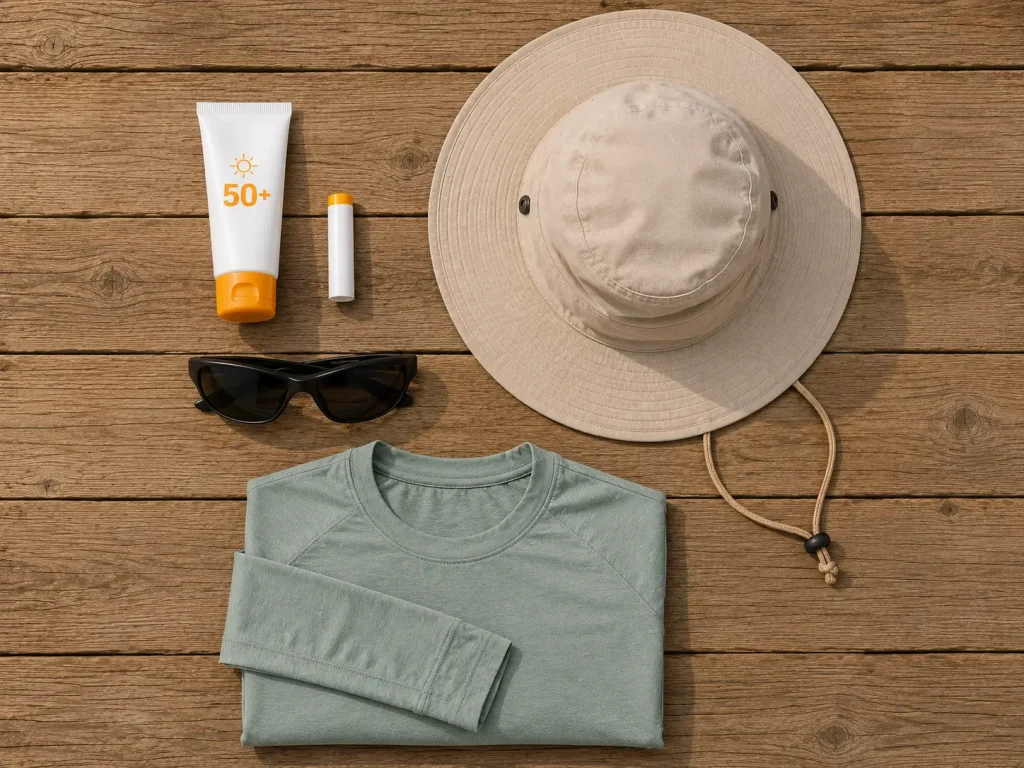
Sunscreen is the obvious one, but summer hiking sun protection goes further than just applying SPF before you leave.
Sunscreen
SPF 50+ for summer hiking, reapplied every 90 minutes to 2 hours — not just once at the trailhead. Carry a small tube in your pack’s hip belt pocket so you can apply without stopping. Pay attention to easily missed areas: the back of your neck, the tops of your ears, the back of your hands.
UPF Clothing
UPF (Ultraviolet Protection Factor) rated clothing blocks UV radiation at the fabric level. A UPF 50+ long-sleeve top protects better than sunscreen on a long sun-exposed hike and doesn’t need reapplying. Lightweight UPF shirts breathe well and weigh almost nothing — one of the best summer hiking investments.
Wide-Brim Hat
A wide brim (minimum 7.5cm all around) protects your face, neck and ears that a standard cap leaves exposed. On an exposed ridge or alpine trail, this makes a significant comfort and safety difference over several hours.
Sunglasses
UV400 rated lenses that wrap slightly around the sides. Mountain and snow environments reflect UV significantly more than low-level terrain — polarised lenses help with glare on water crossings and snowfields.
What to Wear Hiking in Summer as a Woman
The principles are the same as any season — moisture-wicking, layered, no cotton — but the specific choices shift significantly in heat. For a full breakdown of the layering system and what women should wear hiking year-round, our women’s hiking outfit guide covers every fabric and season.
Base Layer
Lightweight moisture-wicking short sleeve top in polyester or a light merino blend. Look for UPF 30+ rating. Avoid anything with a tight neck in heat — a crew neck or light V-neck keeps you cooler on climbs.
Bottoms
Lightweight hiking shorts or convertible trousers (zip-off legs) are the most practical summer choice. If you run warm, shorts with good coverage are fine on most maintained trails. If you’re hiking through scrub, long sleeves and trousers protect against scratches, insects and sun on exposed skin.
Mid Layer
Still pack one. An ultralight windshirt or packable fleece that weighs almost nothing. Summits are significantly colder than valleys even in summer, and afternoon cloud cover changes conditions fast.
Footwear
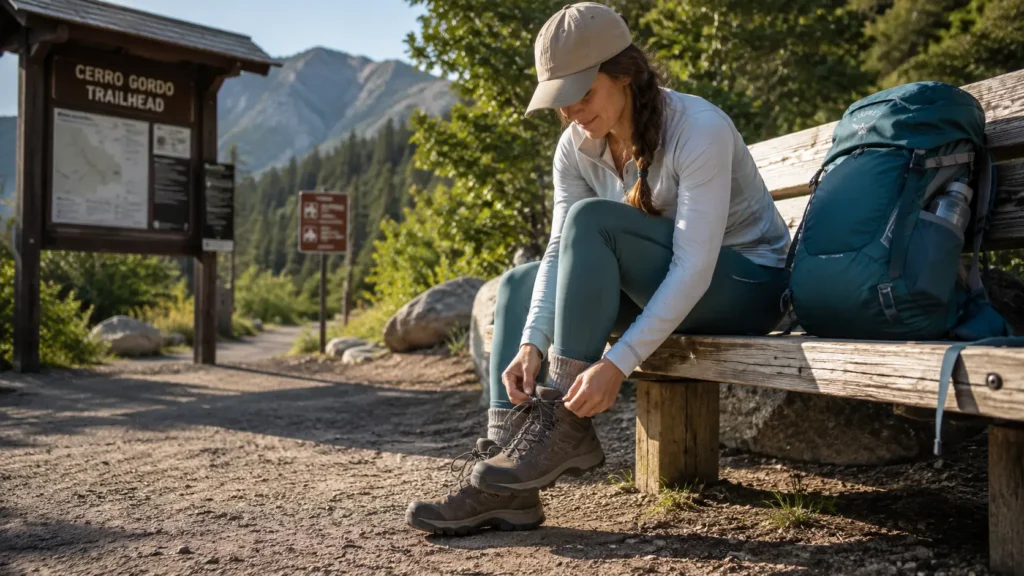
Low-cut trail runners or ventilated hiking shoes work better in summer than heavy waterproof boots — they breathe, dry faster if you cross a stream, and keep your feet cooler on long days. Not sure which footwear is right for you? Our beginner hiking gear guide for women covers boots vs trail runners in detail — including how much to spend and what to look for. If your trail involves significant water crossings, check conditions first.
Start Earlier in Summer
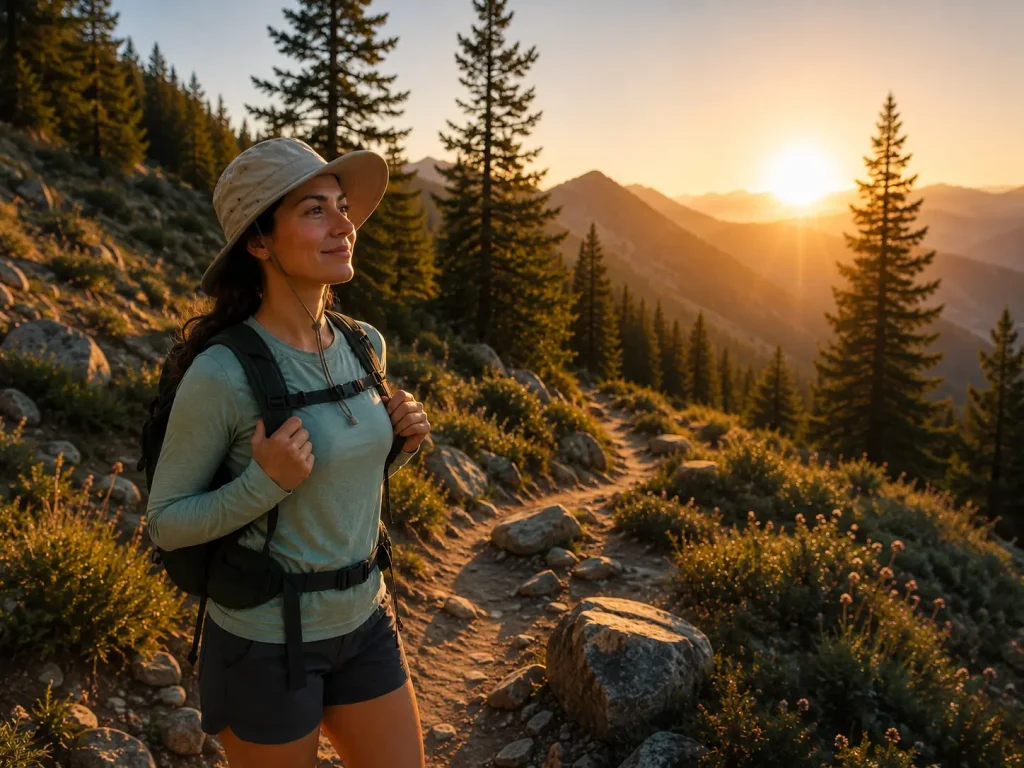
This is the single most impactful adjustment for summer hiking: start significantly earlier than you would in spring or autumn.
The reasons are practical. Temperatures are lowest in the early morning. Sun exposure is lower in the first half of the day. You’re on the trail before it gets crowded. And critically — you reach your summit or exposed sections before the afternoon heat and any thunderstorms that build on summer afternoons in many areas.
Aim to start by 7am on hot days. On very hot days or long routes, 6am or earlier is worth it. Being back at the trailhead by midday on a 30-degree day is a completely different experience from finishing at 3pm.
Heat Awareness on the Trail
Signs of Heat Exhaustion
Know what to look for in yourself and your hiking companions. If you’re hiking alone in summer, our solo hiking safety guide for women covers every safety habit including heat awareness and what to do in an emergency. Heat exhaustion symptoms include: heavy sweating, pale or cold clammy skin, fast weak pulse, nausea, muscle cramps, tiredness and weakness, dizziness, headache.
Treatment: stop hiking immediately, move to shade, drink water with electrolytes, apply cool water to skin and pulse points (wrists, neck), rest until symptoms pass. Do not continue hiking if symptoms persist.
Signs of Heat Stroke
Heat stroke is a medical emergency. Signs include: high body temperature (above 39°C), hot dry skin (sweating has stopped), rapid strong pulse, confusion or altered mental state. Call emergency services immediately.
Prevention
Start early, drink consistently, eat regularly, rest in shade, wear sun protection, know the signs. Heat-related illness comes on faster than most people expect, especially on ascents when exertion is high.
Wildlife and Insects in Summer
Insects: DEET-based repellent or a picaridin alternative for trails in woodland or near water. Tuck trousers into socks in areas with ticks. Check for ticks after any hike through long grass or woodland.
Snakes: More active in summer, particularly in the early morning and evening. Stay on the trail, watch where you step, never put hands or feet where you can’t see. Most snake encounters end with the snake retreating.
Bees and wasps: More present near wildflowers and water in summer. If you have a known allergy, carry your EpiPen and ensure your hiking companion knows where it is and how to use it.
Summer Hiking Packing Checklist
Water & Hydration
- 3–4 litres of water for a 4-hour summer hike
- Electrolyte tablets (one per 500ml in heat)
- Water filter for trails with water sources
Sun Protection
- Sunscreen SPF 50+ in a small reapplication tube
- SPF lip balm
- Wide-brim sun hat
- UPF-rated long-sleeve top
- UV400 sunglasses
Clothing
- Lightweight moisture-wicking top (UPF rated)
- Lightweight hiking shorts or convertible trousers
- Ultralight windshirt or packable mid layer
- Waterproof jacket (still essential)
- Low-cut trail runners or ventilated hiking shoes
- Moisture-wicking hiking socks
Extras for Summer
- Cooling towel
- Insect repellent
- Tick removal tool
- Small portable fan (optional but useful on hot rest stops)
Standard Kit (Still Bring All of These)
- Offline trail map downloaded
- Portable power bank
- Compact first aid kit with blister plasters
- Emergency whistle
- Headlamp with fresh batteries
- Emergency foil blanket
- Snacks every 60–90 minutes
- Someone told your trail name and return time
FAQs
Minimum 3 litres for a 4-hour hike in warm conditions. In intense heat above 28°C, aim for 1 litre per hour of hiking. Always carry more than you think you need and add electrolyte tablets to replace sodium lost through sweat.
A lightweight UPF-rated moisture-wicking top, hiking shorts or lightweight convertible trousers, a wide-brim hat, UV400 sunglasses, and low-cut trail runners or ventilated hiking shoes. Still pack a packable mid layer and waterproof jacket — conditions change fast on exposed trails.
Yes, with the right preparation. Start early (by 7am on hot days), carry sufficient water with electrolytes, wear sun protection, know the signs of heat exhaustion, and turn back if conditions deteriorate. Avoid hiking in extreme heat above 35°C on exposed routes.
Aim to be on the trail by 7am. On very hot days, 6am or earlier. This means you’re moving in the coolest part of the day, reach exposed or elevated sections before afternoon heat builds, and are back at the trailhead before conditions become unpleasant.
Yes. Summer thunderstorms build quickly on exposed ridges, particularly in the afternoon. A lightweight packable waterproof jacket takes up almost no space and converts a weather emergency into a minor inconvenience.
High-energy, heat-stable snacks: trail mix, energy bars, oatcakes, nut butter sachets, dried fruit, fresh fruit that doesn’t bruise easily. Avoid chocolate and anything that melts or requires refrigeration. Salty snacks help replace sodium lost through sweat alongside electrolyte drinks.
Final Thoughts
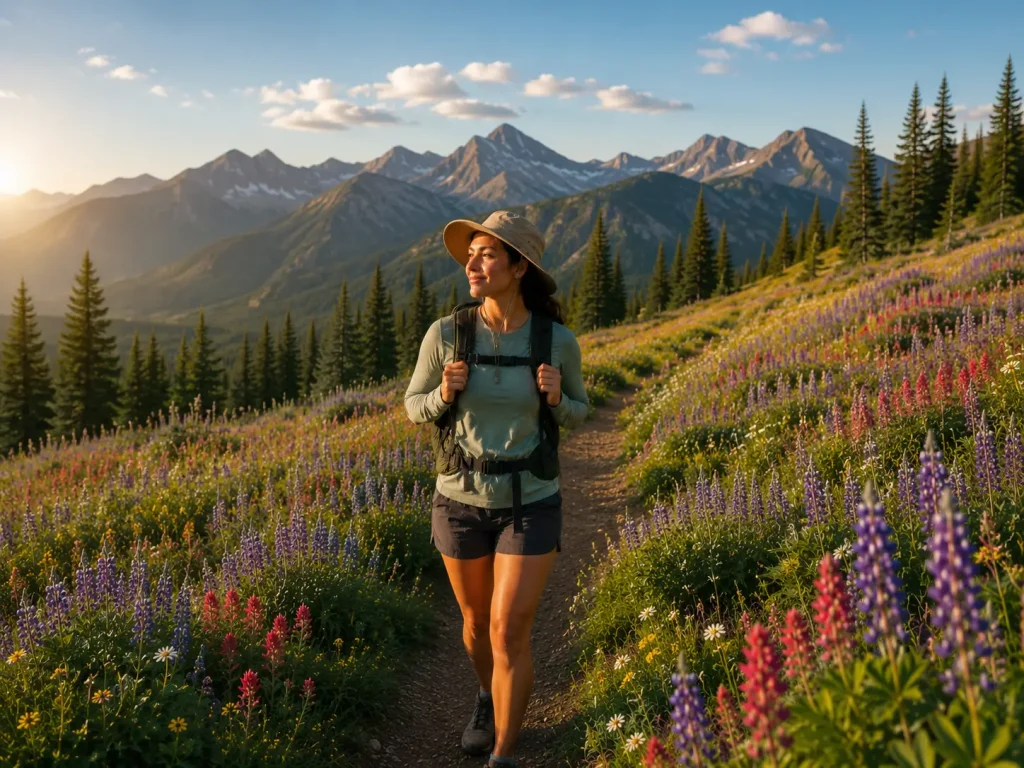
Summer hiking is some of the best hiking of the year — but only if you adjust your kit and your timing for the conditions. The changes aren’t dramatic. More water, better sun protection, lighter layers, an earlier start. Everything else on your standard packing list stays the same.
Get those adjustments right and a summer trail — warm air, wildflowers, long light — is one of the most genuinely enjoyable outdoor experiences you can have.
For your full base packing list, head to the day hiking packing list for women. This article covers the summer-specific additions and swaps on top of that foundation.

Intermediate hiker sharing real trail experience — honest gear picks, beginner-friendly guides, no filler.